
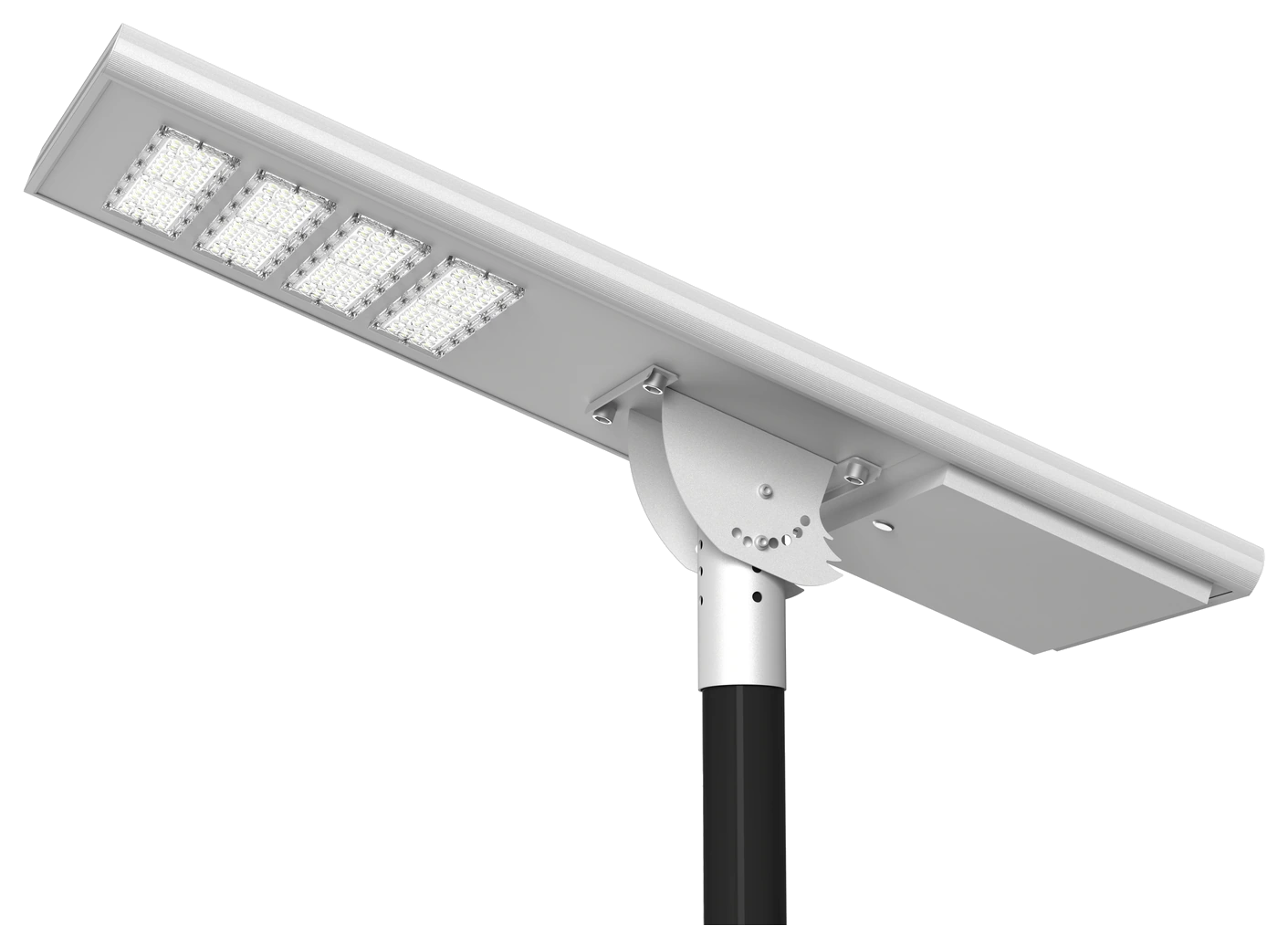
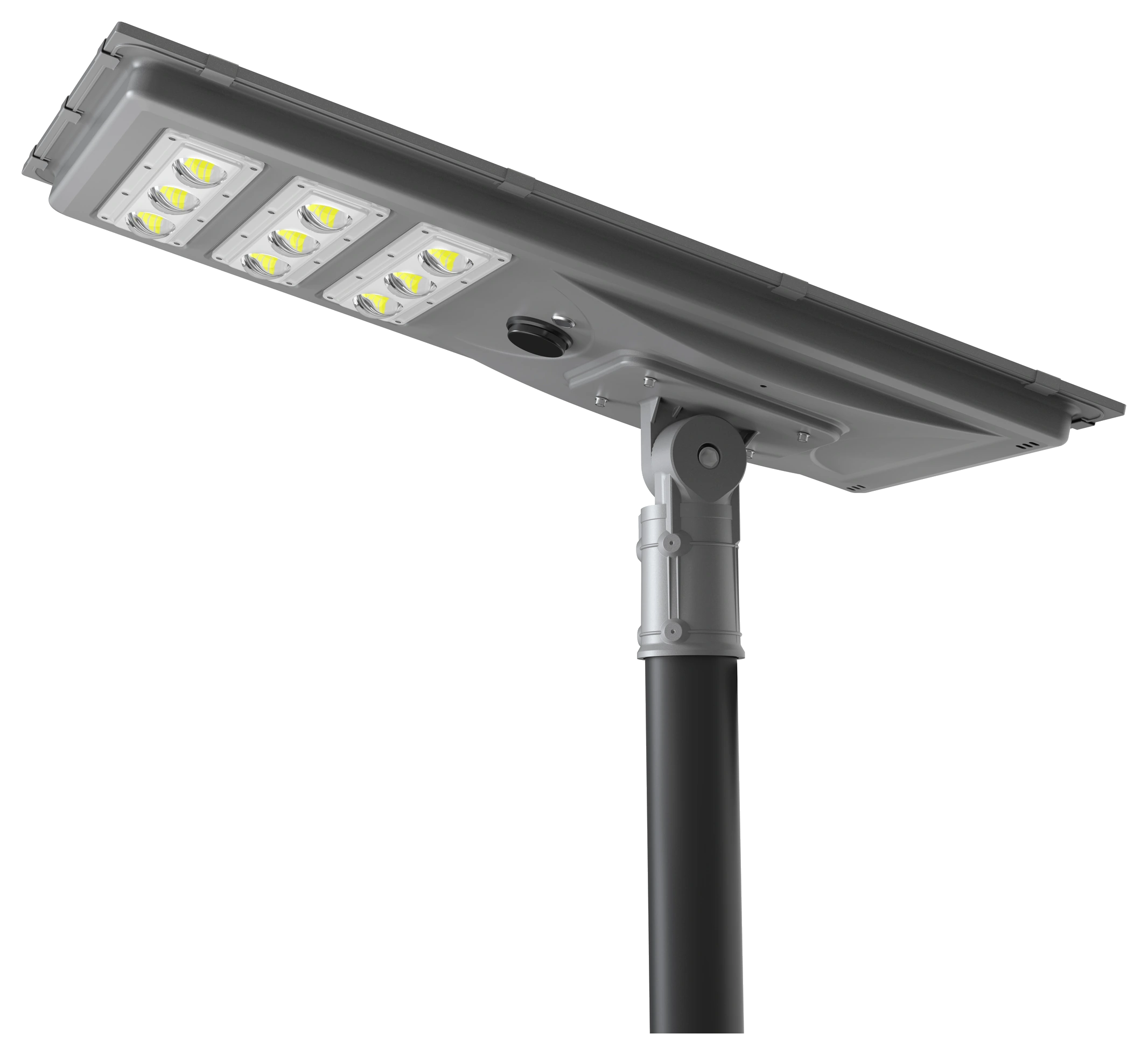
Rainy-season autonomy depends on usable battery energy, the nightly load and solar production in the least sunny months. A stated number of backup days is meaningful only with its brightness schedule, reserve assumptions and recharge conditions.
Look beyond an annual average
For a site in Nigeria, use location-specific solar data for the less sunny months. Conditions in Lagos, Abuja and Kano should be reviewed separately, together with shading and panel orientation. A national or yearly average can hide a seasonal shortfall.
State the nightly schedule
Define the hours at each brightness level and any motion-based behaviour. A claim based on dimming is different from full-power continuous operation and should be described accordingly.
Size storage and recovery together
More battery energy can help bridge poor-sun periods, but the panel must also replenish it. Review charging recovery, usable battery energy and energy-saving control together.
Agree the configuration and conditions
Confirm the location, seasonal assumptions, lighting target, schedule and final components in the project specification. Avoid treating backup time as an unconditional guarantee.
Product reference: HPPOWER manufacturer catalogue (PDF, English). This guide explains selection principles; the agreed configuration sheet defines the supplied product.
Turn the information into a project brief.
Share what you know about your site. We can review the next questions together.
Discuss your project